


Smoke & CO Detectors: Exactly Where to Place Them (2025 Update)
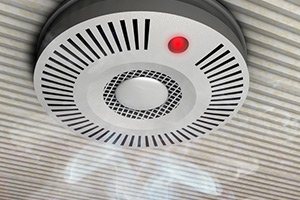
San Antonio families count on fast, reliable alerts when seconds matter. If you’re planning smoke detector installation in San Antonio, this practical 2025 placement guide will help you understand where professionals position alarms so your home is protected room to room, day and night.
We serve neighborhoods from Alamo Heights and Stone Oak to Helotes, Shavano Park, and Alamo Ranch. Floor plans and building ages vary across Bexar County, so the best locations can change from one home to the next. The guidance below shows how licensed electricians approach placement to maximize coverage and minimize nuisance alarms. If you want a deeper dive into device options and interconnection, see our smoke detector installation page.
Where Smoke Detectors Should Go In San Antonio Homes
Fire grows fast. Placement is about getting the earliest possible warning wherever people sleep, spend time, or move through the home. Here’s where pros focus first:
- Every level: At least one smoke alarm on each story, including basements and finished attics.
- Sleeping areas: One in every bedroom, plus one outside each sleeping area.
- Hallways: In the hall serving bedrooms, so sound reaches closed doors.
- Stairs and transitions: Near the base of stairs to basements and at the top of stairs to upper floors.
- Living spaces: Family rooms, dens, or bonus rooms that are often used.
- Kitchens: Near, not in, the cooking zone. Keep about 10 feet from stoves and ovens to cut down false alarms.
Ceiling mounting is common in open rooms. When alarms go on walls, they are placed high and away from corners or air vents that can delay smoke reaching the sensor. In two‑story Stone Oak homes, interconnected alarms on both levels help ensure a bedroom upstairs hears an alert that starts downstairs.
Hallway Versus Bedroom: What Gets Priority
The goal is coverage where people sleep. A hallway alarm outside bedrooms helps, but it’s not a substitute for protection inside each bedroom. For households with kids, shift workers, or heavy sleepers, every bedroom needs its own alarm. A hallway unit then becomes your backup layer, so everyone still hears an alert if a door is closed or a fan is running.
Homes with split bedroom layouts, common in Alamo Ranch and Shavano Park, often end up with two hallway alarms: one near the primary suite and one outside the kids’ rooms. For older Alamo Heights houses with long, narrow halls, pros may add an extra unit so sound carries to the far end.
Where CO Detectors Belong And Why
Carbon monoxide (CO) is invisible and odorless. It comes from fuel‑burning equipment like gas ranges, furnaces, water heaters, and from attached garages. CO detectors don’t go everywhere a smoke alarm goes, but they do belong where people sleep and near sources of CO.
- Place CO detectors outside each sleeping area and on every level.
- Near attached garages, put a unit on the living side of the door into the house.
- In homes with gas furnaces or water heaters, add a unit in or just outside the mechanical area.
- Avoid bathrooms and right next to supply vents to reduce nuisance readings.
Curious about smart features and alerts when you’re away from home? Check out our post on smart carbon monoxide detectors for pros, cons, and upgrade timing. If you need help choosing locations for dual smoke/CO units, our team can tailor a plan to your floor plan and appliances.
Interconnected Alarms: The Whole‑Home Advantage
Interconnection makes alarms talk to each other. When one sounds, they all sound. In multi‑level homes from Helotes to Stone Oak, interconnected alarms alert the whole home quicker, which is especially important at night. Hardwired systems with battery backup are common in newer builds, while wireless interconnect kits can unify alarms in existing homes without opening walls. Your electrician will match the approach to your home’s age and layout.
10‑Year Sealed Alarms: When They Make Sense In Texas
San Antonio homeowners are choosing 10‑year sealed battery alarms for fewer chirps and fewer battery changes. They work well for bedrooms, halls, and living areas, and they keep tenants and busy families from removing batteries when a low‑power beep starts. In rentals or short‑term stays near Downtown and the Pearl, sealed units reduce maintenance and help ensure protection stays in place.
Even with sealed models, replace alarms every 10 years. Sensors wear out. A date stamp on the back shows when it’s time. During pre‑listing tune‑ups for resale, missing or expired alarms are a common finding on buyer inspections across Bexar County.
Kitchen, Laundry, And Garage: Nuisance‑Proof Placement
Most false alarms come from cooking smoke or steam. In kitchens, the fix is distance and the right sensor type. Keep the unit just outside the cooking zone, not directly above the range. In laundry rooms, avoid the dryer’s lint plume and supply vents. Garages are not the place for smoke alarms, but CO risk is real, so put a CO detector just inside the home near the garage entry door. If you want help building a combined plan for both hazards, our carbon monoxide protection page explains how pros layer detection around furnaces, water heaters, and attached garages.
Common Placement Mistakes To Avoid
Small missteps can create slow or missed alerts. Here are frequent trouble spots we correct on service calls in San Antonio:
- Mounting too low on the wall, where the smoke takes longer to reach the sensor.
- Installing in bathrooms or within direct steam paths from showers.
- Putting units right next to supply registers, fans, or open windows.
- Relying on a hallway alarm in place of bedroom alarms.
- Mixing old, non‑interconnected units with new interconnected ones, leaving gaps.
If you are upgrading during a remodel in Castle Hills or a panel change‑out in Fair Oaks Ranch, it’s a good moment to unify device ages, add interconnection, and document locations for your records.
Future‑Proofing For Home Resale In 2025
Buyer inspections in the San Antonio market routinely check for working smoke and CO alarms in the right places and within their lifespan. While local requirements can change, inspectors look for coverage on every level, inside bedrooms, and outside sleeping areas. They will also note expired units and mismatched power types. Taking care of these basics now prevents repair requests later and gives buyers confidence that safety was a priority.
When you need a quick sanity check on layout, device age, and interconnection, many homeowners find it helpful to start with a whole‑home walkthrough. We tailor placement plans to older plaster walls in Alamo Heights, open‑concept living rooms in Alamo Ranch, and modern townhomes around Downtown, so everything fits your space and finishes.
What To Expect From A Professional Installation
With a licensed electrician, you get a clean plan, code‑aware placement, and documentation for your records. We assess bedroom locations, ceiling heights, HVAC registers, and appliance types, then map the smoke and CO coverage so alerts travel fast and false alarms stay low. You can also request wireless or hardwired interconnection based on your home’s age. For an overview of service options, visit our smoke detectors service page.
If you want a broader look at electrical safety upgrades that pair well with detection, our article on AFCI and GFCI protection explains how those devices reduce fire and shock risks throughout the home. To learn more, reach out to our experienced electricians in San Antonio.
Ready To Upgrade Your Home’s Protection?
Early alerts save lives. Interconnected smoke and CO detectors placed in the right spots give you that precious head start. To schedule a professional layout and installation, call John Jones Electric at 210-525-0013. If you’re mapping next steps today, you can also review placement options and equipment types on our smoke detector installation page, and we’ll take it from there.